
Jewellery (or jewelry in American English) consists of decorative items worn for personal adornment such as brooches, rings, necklaces, earrings, pendants, bracelets, and cufflinks. Jewellery may be attached to the body or the clothes. From a Western perspective, the term is restricted to durable ornaments, excluding flowers for example. For many centuries, metals such as gold and silver, often combined with gemstones, have been the standard material for jewellery. Other materials such as glass, shells, or wood may also be used.
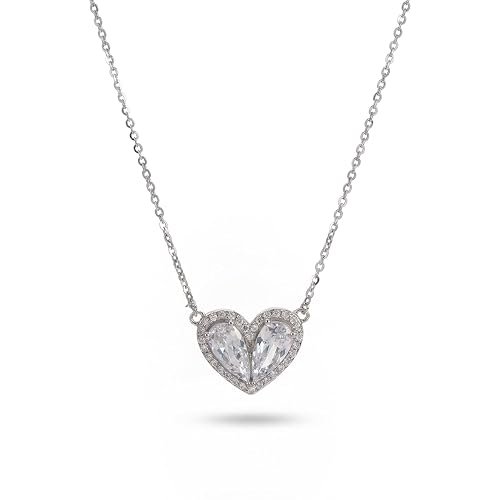
Jewellery may be made from a wide range of materials. Gemstones and similar materials such as amber and coral, precious metals, beads, and shells have been widely used. The use of enamel is often important in jewelry making. In many cultures jewellery can be understood as a status symbol because of its material, its patterns, or for meaningful symbols. Jewellery has been made to adorn nearly every body part, from hairpins to toe rings, and even genital jewellery. In modern European culture the amount worn by adult males is relatively low compared with other cultures and other periods in European culture. Jewellery that is designed to be worn for long periods, is created without a clasp or opening, or is always worn is called permanent jewellery.